
For decades, entrepreneurs have struggled with how best to convey an idea for a new business or project. With modern digital tools like PowerPoint, Keynote, and Venngage readily available to anyone with internet access, people create pitch decks daily.
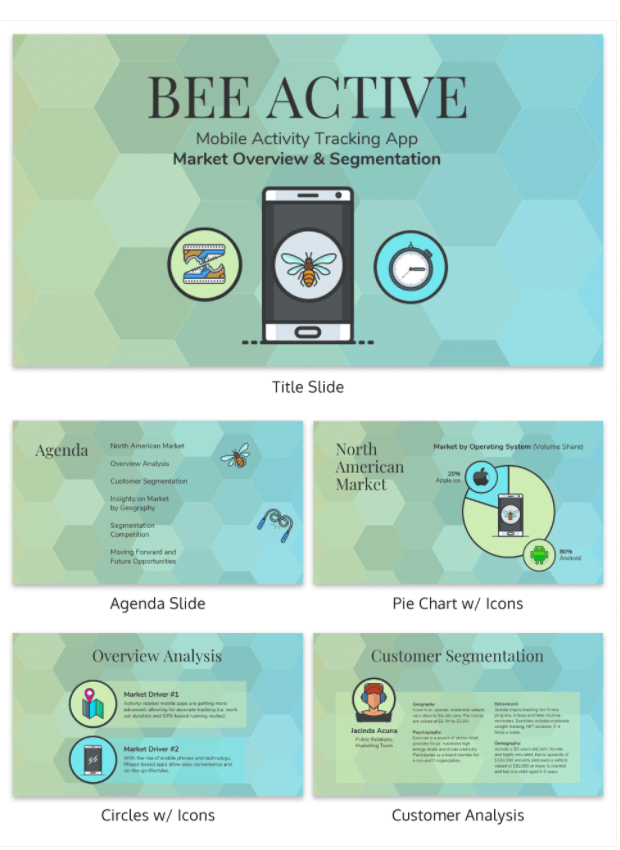
The hope is that by creating just the right pitch deck, the company will be able to secure investment capital. It can be difficult for investors to choose between many pitches. This article presents seven keys to help your presentation stand out from others.
Pitch Presentation Key #1: Do Your Research
Before you even think about putting a single pixel on a slide, take some time to research what the company’s competition is doing.
To get a feel for their terminology, visit their website and find their product and sales materials. Look for anything that describes their product in layman’s or technical terms.
If your target doesn’t provide easy access to sales materials besides their website, search for competitors in the same niche to get a feel for their tone, language, and content.
Key #2: In Summation
The first few slides should give a high-level overview of your business model and the problem you can solve.
Commonly called an “elevator pitch,” briefly describe your business or value proposition in the time it takes to ride an elevator.
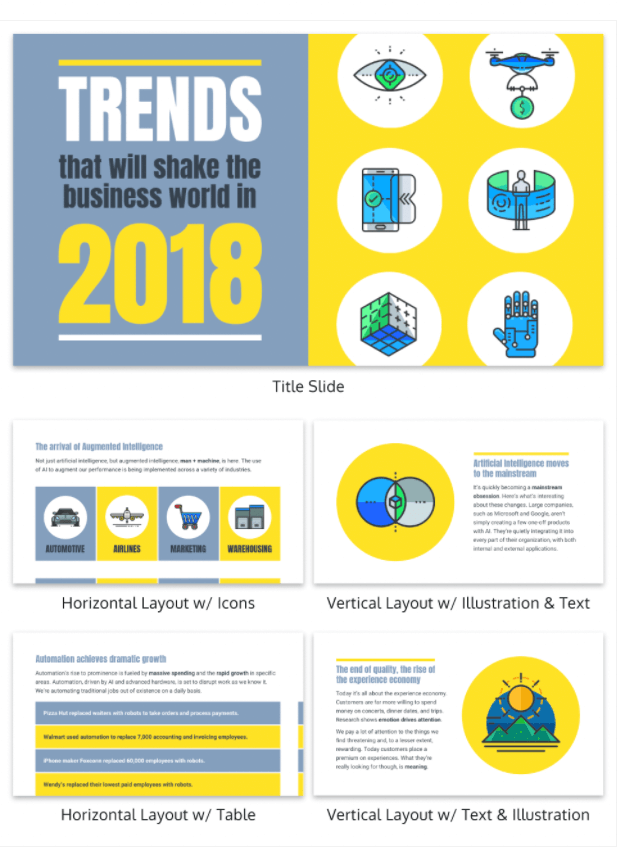
Use graphs and charts when possible but ensure there is always enough text accompanying them so the investor can understand what they’re buying.
Investor Deck Key #3: Go Deep
Pitch decks aren’t like a high school term paper—you don’t need to go into every tiny detail. Don’t talk about yourself or your company too much; focus on how your business can solve one or more of the client’s challenges.
However, you should take some time within your pitch to explain how your product works in more depth than just the one-sentence summary. The subsequent slides should detail how your company will help people create and sell their products online.
Put more effort into succinctly explaining everything from start to finish, including potential challenges. Demonstrate that you’ve thought through every part of your business model and that you’re confident you can execute your plan.
Key #4: Keep Your Pitch Deck Design Rolling
By this point, the investor should have a pretty good understanding of what the product is and how it works, so now it’s time to talk about marketing, sales, and growth.
Describe how the business will attract new customers, go after repeat purchases, or expand into foreign markets.
Don’t forget to include potential challenges like market saturation, positioning yourself to compete against large companies, and any limitations to your growth, like finding skilled labor.
Key #5: Call ’em Out
Now that there is some clarity around how your business operates, it’s time to show how it can make some serious cash.
Investors are looking for proof that your company has the potential to be influential. Therefore, use engaging graphs and charts to highlight revenue growth, operating profits, and return on investment (ROI). If a team member has a solid financial background, show them off by including their quote in a graph or chart.

Make a pitch deck quickly by going to Venngage, the number one pitch and graph maker app. Effortlessly create your presentations using their robust database of templates and fonts.
Start-Up Pitch Deck Key #6: Take ’em Home
The final slides should include an overview of how your business will operate, what resources you’ll need from the investor, and why they should trust you over all other companies looking for funding.
Don’t just repeat everything that they’ve already seen. Instead, highlight the most relevant information from your pitch deck while providing more insight into your company’s organizational structure. Specifically, review how you’ll meet the investor’s requests for transparency.
Key #7: Review, Restructure, and Reiterate Your Presentation Deck
If possible, share your pitch deck with an investor or advisor that isn’t familiar with your business model to get an honest opinion about your proposal. You don’t have to incorporate everything they say, but some subjective feedback is better than none.
Assuming your prospect follows along throughout the presentation, ensure they feel comfortable asking questions by providing plenty of opportunities for them to engage with you on a more personal level.
After their initial comments about the pitch, get back together and review the presentation from top to bottom. Mark changes on the copy or in red ink directly on the printout.
Developing a pitch deck is an iterative process, so you want to guarantee you can review version 12 if you messed up on version 15.
Takeaways
There you go, the seven big keys for a successful pitch deck. Read more articles about small business resources here. Share your tips for creating the perfect pitch deck in the comments below.