Web designers have one of the most influential positions in Information Technology (IT). Websites are our virtual portal into the online services businesses provide, and we use them almost daily. Therefore, businesses are understandably selective when hiring people responsible for the “face of their company.”
A web designer’s job is to make the corporate site accessible to all visitors and optimized to attract leads, help customers find answers, or provide updates to pricing and services. Consequently, any company would want to hire a web designer who knows what they’re doing.

It’s also an extremely competitive field. Many specialists dominate their niche and set trends, so you might need to put your head and heart into your career to excel.
Graphic design is time-consuming, especially for students balancing design theory and practical application of the skill. Why not share half of your homework with WritePaper.com writers and spend your free time polishing your skills?
1. Prioritize Your Degree
You don’t need a degree to become a qualified web designer. Yet, having a degree helps you land a job with industry leaders who prioritize candidates with education over those that teach themselves.
A college or university experience affords you access to high-quality training that self-taught creators can’t match. Therefore, it’s essential to keep up with your academic progress to gain a competitive edge against your peers.
2. Keep Practicing And Learning
Practice is the key to becoming skilled in whatever you’re doing. Even if you feel you’ve mastered everything your college or job can teach you, you must keep growing through constant practice.
Web design is similar to any other area where you quickly lose your edge once you stop creating. You’ll sometimes feel burned out or struggle with creative block, so take a quick break to refresh yourself and push forward to get back in the game.
Take online training or certifications to solidify or refresh your knowledge. Apply to design competitions, collaborate with other designers, and contribute to open-source projects. You’ll grow and develop your skills through constructive feedback by engaging with your peers and community.
We learn through mistakes, and it takes a lot of errors to master a skill. Your dedication will undoubtedly open many professional doors and opportunities.
Consider learning more about cross-sell opportunities like Search Engine Optimization (SEO), content marketing, and website hosting from trusted providers like 37SOLUTIONS Technology Services & Digital Marketing.
Specialists are great, but well-rounded individuals are better. Small businesses with even smaller budgets can’t afford to hire a specialist for everything, so learn complementary skills to improve your standing.
3. Know Your Tools
As you practice, don’t forget to expand your toolset. Web design is a broad field where the more you know, the easier it is to succeed.
Whether you’re working on logo design, mobile apps, user experience (UX), or user interfaces (UI), you need to understand additional areas of your craft. While a jack-of-all-trades is excellent for being well-rounded, focus on a specialty that attracts the best employers.
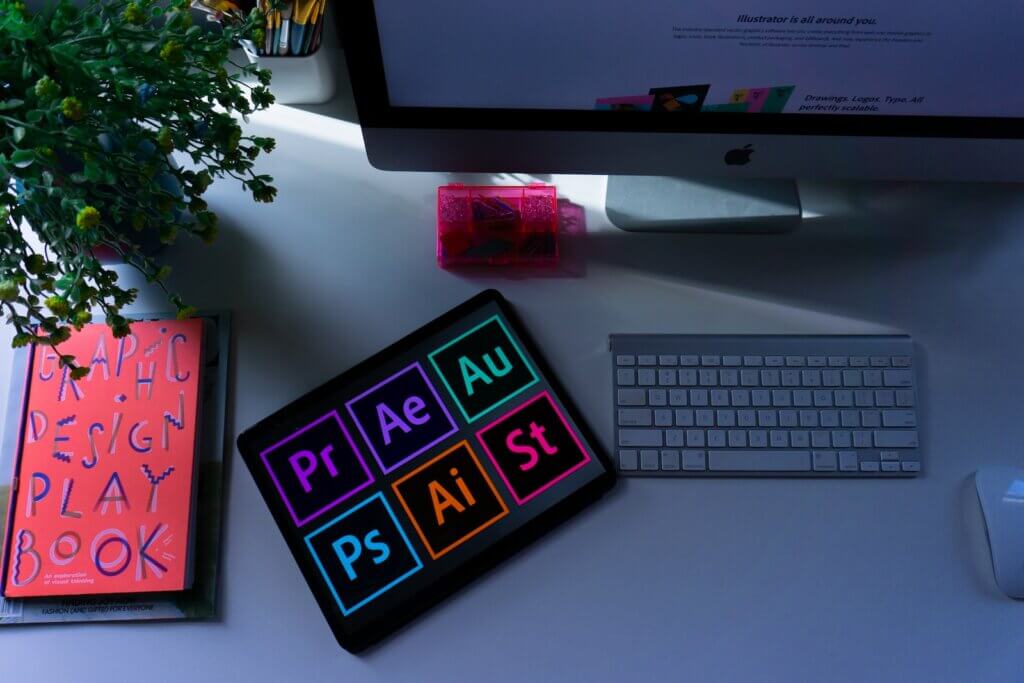
Try to get acquainted with as many tools as possible. It allows you to feel more confident with your job and be flexible enough to know how to adapt to your tasks.
Focus on some of the following elements:
Graphic Design
Some tools are so critical for a job that nearly everyone knows them. Photoshop is the “Cadillac” of graphic design software, and all website designers should know how to use it (or at least one of the free or less expensive clones).
A website designer with basic Photoshop skills will still be a valuable team member because they won’t have to wait for a Photoshop expert to make minor edits.
Coding
Coding is a crucial skill for web designers of all levels. Get familiar with different code editors and popular content management system (CMS) software.
Your hands-on experience with complementary tools allows you to make minor adjustments to the page’s design and create templates or plugins.
Prototyping
Advanced prototyping skills make your job easier because you can validate your design in minutes. Then, of course, you need an outsider’s perspective, but being good with prototyping makes your colleagues’ lives easier.
The more you dig into new software and approaches, the more you are prepared for industry changes. Many people make the mistake of clinging to archaic tools or frameworks. My co-worker still uses an old version of Dreamweaver to edit his WordPress themes!
The world of IT doesn’t stay the same. You may witness significant changes in something you thought would stick around forever in one short year.
4. Explore Job Opportunities
Starting your journey in web design can be challenging for a newcomer, so concentrate on building your portfolio and resume. Web and graphic design are visual, so your promotional materials should be visual too.
Start assembling your portfolio while you’re still a web design student so you can map your progress throughout your journey.
One of the best ways to build confidence and experience is by using job search platforms:
Freelance
Freelance platforms are a perfect start for beginners. Here, you can easily find a gig for a web designer of any level.
As a bonus, you have a side hustle that provides income and helps you gain verifiable experience.
Professional Platforms
Professional platforms like Behance, Dribble, or Coroflot allow you to communicate and collaborate with other designers.
Join them to participate in group projects or inquire about job opportunities. Or, sign up for their newsletter to get ideas and inspiration.
Job Search Platforms
LinkedIn, Glassdoor, and CareerBuilder are among the many digital platforms that can help you find your first job.
It’s essential to be proactive and apply to as many companies and jobs as possible. It’s time-consuming, but you’ll need several successful projects on your portfolio before companies start reaching out to you instead of the other way around.
5. Work On Your Communication Skills
Fundamental networking skills are a must for getting referrals and online reviews.
Just like you get design experience by practicing, participating in contests, and working on small projects, you’ll improve your communication skills by engaging the web design community.
Every contact with another person is an opportunity to grow. The best web designers know how to cooperate, collaborate, and be diplomatic when working with peers and stakeholders.

Website design is subjective—learn how to handle and respond to constructive and unconstructive criticism to gain an advantage over peers with thin skin that snap at every suggestion or change request.
Stand your ground, but be flexible. Learn how to tactfully explain your point of view while remaining open to improvements.
6. Build A Solid Online Presence
The modern job market is all about being visible. You don’t have to upload every finished project to Instagram. Still, you should utilize social media to showcase your best work.
A web designer’s online presence is crucial to promoting their brand. Hiring managers want to see what they’ll get before they buy it, and a varied portfolio of your skills helps them find you even while you sleep.
7. Promote Your Services
Create an online portfolio that showcases your projects and clients’ referrals.
Having an independent website that shows your maturity as a professional is essential to give you more freedom of expression and control over how your accomplishments are displayed.
8. Master The Art Of Self-Organization
As a beginner in website design, you’ll have to supervise yourself and stay focused on your goals.
Reaching out to peers and online communities for support is fine in moderation. Yet, you’ll retain it better if you’re resourceful enough to figure it out alone. There’s nothing worse than someone who constantly asks for help on topics that are well-known and easily searchable.
Pay attention to these four areas:
- Time management is everything for a web designer who works on diverse projects. Everything takes longer than you expect, so add an appropriate amount of “float” in your estimates to handle unexpected delays.
- Planning is essential to meet deadlines. Don’t forget to factor in personal and family commitments on your timeline.
- Prioritizing helps you to focus on what’s important. Close all other apps to avoid distractions, but allocate time for breaks to refresh yourself.
- Communication helps you to set boundaries and negotiate project details. It’s sometimes painful for introverts, but communicating early (and often) is better than constantly apologizing for delays.
The Bottom Line
Being a newcomer in web design is a formidable and overwhelming challenge. Start small and make incremental progress every day. Eventually, your efforts will lead to lucrative job offers and long-term success.